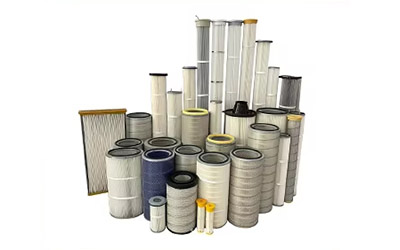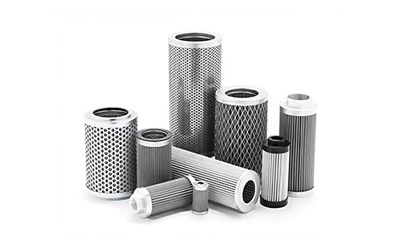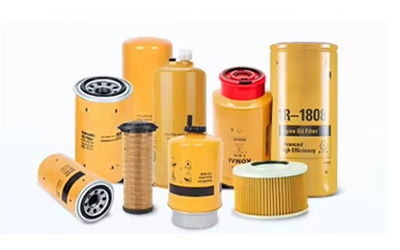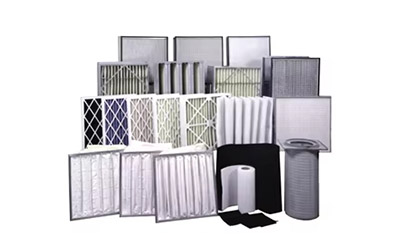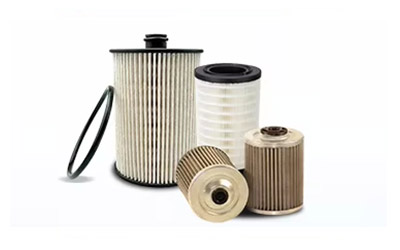

The fuel filter stops contaminants found in fuel which can include the products of corrosion, metal chips, dust, and other solid particles. In the case of fuel filters for diesel engines, the separation of water is also a key element.
Fuel filters in engines of this type are most-often equipped with separators, in which the water separated from diesel fuel is collected. Before the winter, the separator should be emptied, because the water in it can freeze and increase the risk of damage to the filter. An increasing number of modern vehicles have a sensor which detects excess water in the filter, but if your vehicle does not have this solution, you must remember to empty the separator of water manually.
Water gathers in the fuel tank very slowly, but if the driver has a bad habit of frequently driving with little diesel left in the tank, the process of settling water can be faster. The reason for the increased amount of water filtered by the water filter is the condensed water vapour contained in the air of the fuel tank if not completely filled. The condensed steam deposits on the exposed and cooled walls of the tank and then flows into the fuel and with it down to the filter.
Emptying the water separator in the fuel filter before the winter is a necessity which protects against the risk of damage to the filter. However, frozen water is not the only potential threat to the fuel filter related to the low ambient temperature. Another dangerous factor is paraffin, which at low temperatures precipitates from the fuel and transforms into a crystalline wax mass, blocking the fuel filter. You can read more about protection measures against paraffin here.